
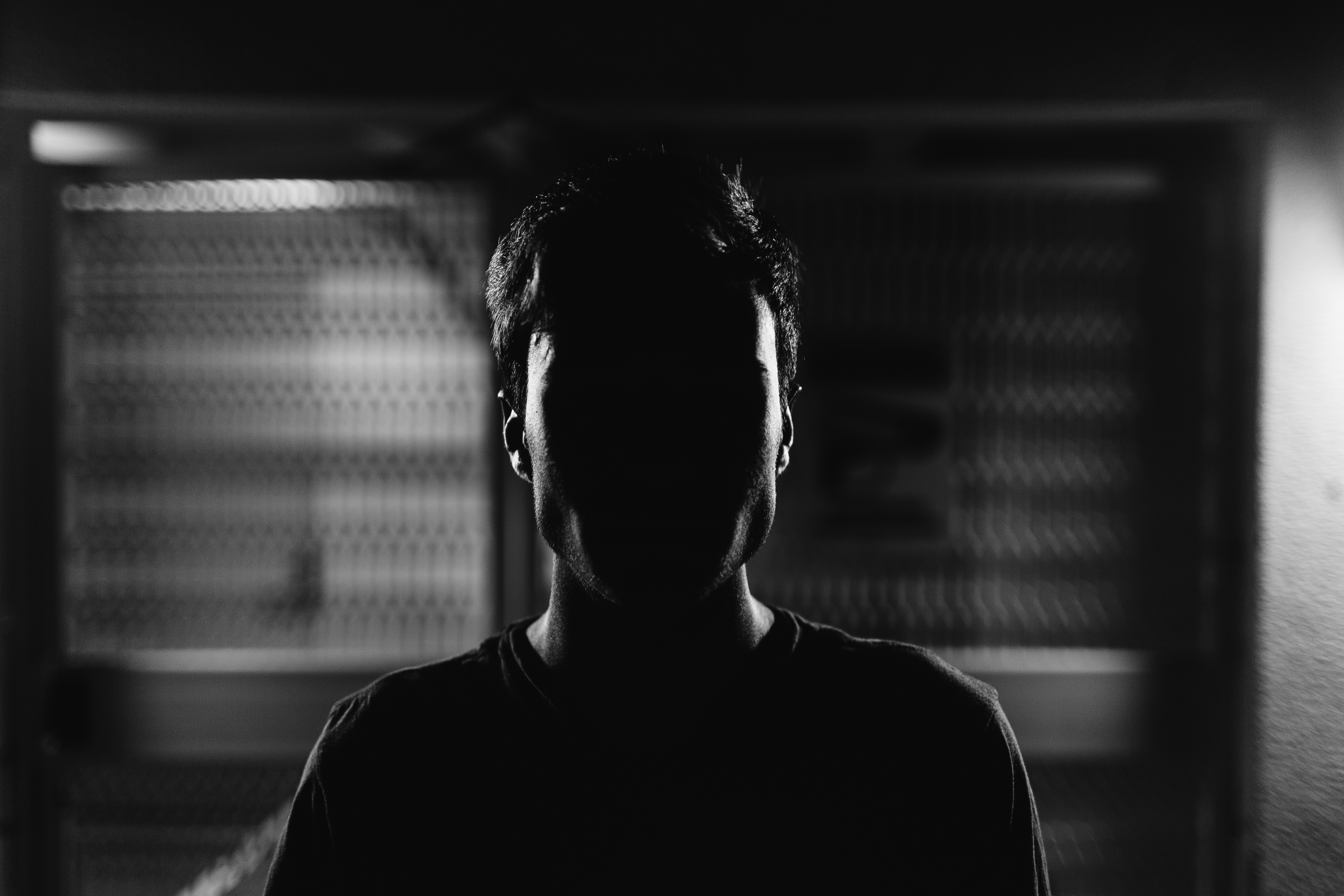
Someone asked me recently what the most difficult part of my psychiatric hospitalization was. While the uncomfortable bed, tedious group therapies, and general lack of freedom were all stressful, it was life after hospitalization that was the toughest.
More specifically, the urge to hide from the people in my life, to self-isolate.
They saw me when I was losing my mind. I let them see me in my most vulnerable state, when my grip on reality was tenuous at best.
And all I could feel about that was shame.
When I say that I’m ashamed of my mental illness, it surprises people. I write about my struggles for a living. My history with mental illness is plastered all over the internet, easily uncovered with a single Google search of my name.
I have unapologetically owned my trauma around mental illness and, further, used that trauma to affirm and validate others who share those struggles.
So why would I be ashamed?
Well, that’s easy enough. The same reasons as everybody else.
Because underneath my “social justice warrior” armor, there’s just a scared little kid. One who spent years trying to hide his illness from everyone, fearful that he couldn’t be both mentally ill and lovable. Scared that if people saw how deep his struggles ran, they might leave.
I could tell the world that I was crazy, to an extent; it was empowering because I presented myself as the protagonist of my own story.
But what happens when everyone sees that you’re really broken, broken in ways they never imagined?
What happens when they look into your eyes and realize, fully, that you are the kind of crazy they’ve been warned about?
Because truthfully, my kind of crazy doesn’t inspire. At its core, it terrifies.
Every day I am biting my tongue until it bleeds, because I haven’t been able to admit that I’m scared.
I’m scared that this breakdown has rendered me less valuable, less likable, less worthy.
Every day I am pretending that my recovery is pleasant and easy and simple — I swallow what hurts when they ask if I’m okay — because maybe if I prove that I can be normal again, they’ll forget that I was ever psychotic, that I was ever paranoid, that I was ever delusional.
Maybe they’ll forget that I’m mentally ill.
Maybe they’ll forget what I looked like in a hospital gown, an IV stuck in my arm, trapped in a room on suicide watch.
I was so small then.
In that moment, waiting to be transferred to the psych ward, no one cared about my articles or my speaking gigs or the ways that I changed the world. In that moment, none of it mattered.
In that moment, I was revealed as the one thing I really was — crazy. And I had nothing to hide behind.
I find myself wondering, on the other side of this, if my breakdown will eclipse everything that I am.
Because none of us — not even a mental health blogger like me — is exempt from the feeling that our illnesses make us less than, make us unworthy.
The hardest part of being hospitalized wasn’t being in a hospital. The hardest part was letting the people in my life see that I am not, in fact, a success story, someone who overcame his struggles.
I am still fractured, still fragmented, still grieving, still human.
And now, I’m exposed.

A note on labels: Like many people with mental health struggles, I’ve experienced my fair share of misdiagnoses. Since writing this piece, I’ve finally been correctly diagnosed with obsessive-compulsive disorder and complex PTSD, which have been life-changing realizations for me. That said, I hope that the resources I created in the past can still be helpful. (Jan 2019)




Leave a Reply